





Bathroom Remodeling
Bathroom Remodeling in New Jersey: What the Process Actually Looks Like
Planning a bathroom remodel in New Jersey? See how Peach Design Build approaches design, preparation, construction, finishes, and the final walkthrough.
Thinking about replacing your bathtub with a shower? Explore what affects conversion costs, timelines, and the practical trade-offs for your New Jersey home.

If you have a bathtub that hardly gets used, replacing it with a shower can be one of the most practical bathroom updates you can make. For many New Jersey homeowners, the goal is not just to modernize the room. It is to make the bathroom easier to use every day.
A tub-to-shower conversion can improve access, create a more comfortable routine, and give you room for features that better match how you live. In the project shown here, the original bathroom had a bathtub, and the finished result became a shower with a low-threshold base, a fold-down bench seat, a grab bar, a handheld shower, and built-in corner shelves. That kind of change can make a bathroom feel far more useful.
At the same time, every conversion comes with real decisions. Homeowners usually want to understand what affects the cost, what shapes the timeline, and what trade-offs come with giving up a tub. Here's what to think about before moving forward.
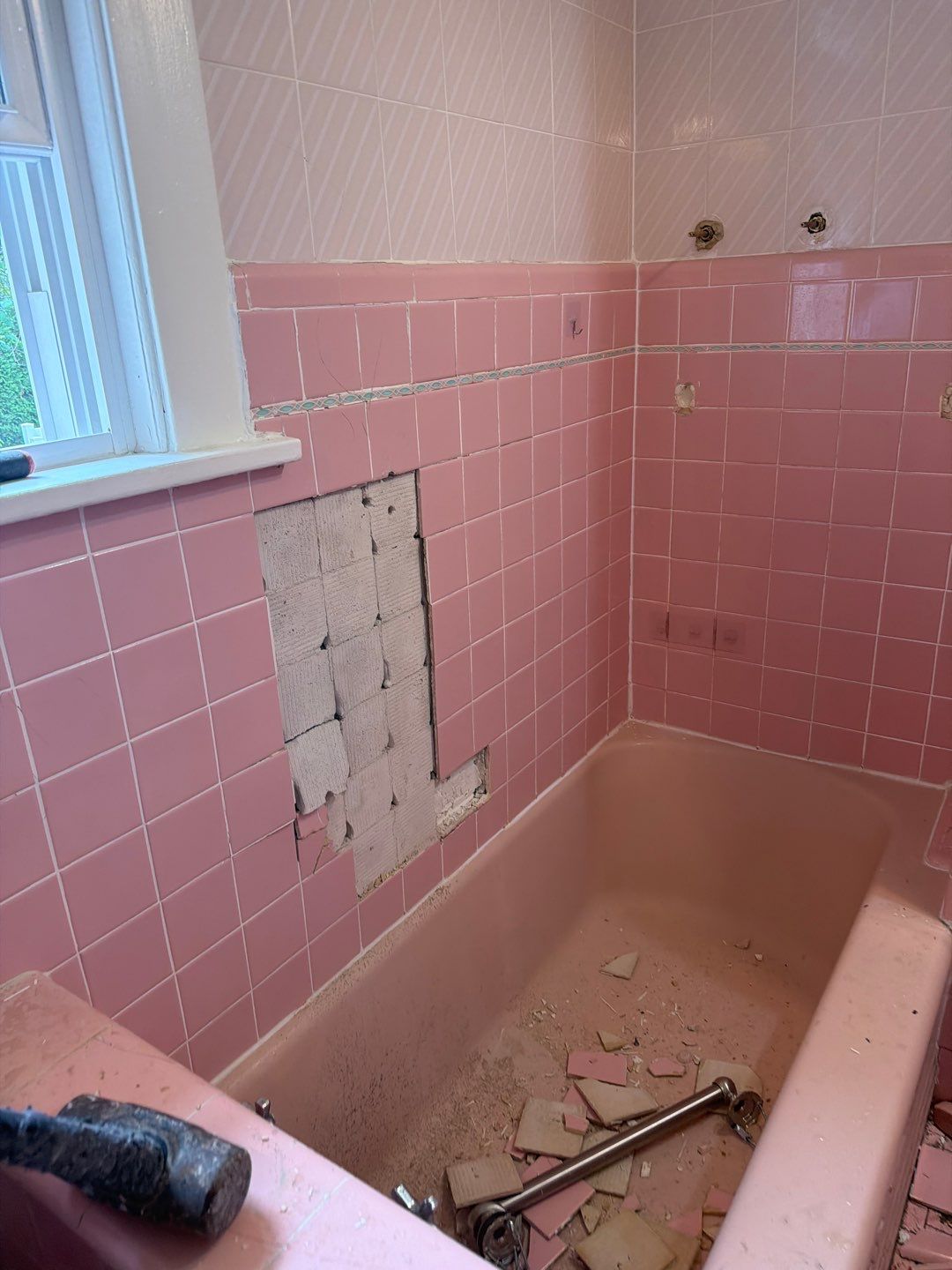
The cost of a tub-to-shower conversion depends on more than the new shower itself. It depends on what has to be removed, what needs to be updated behind the walls, and what features are included in the finished design.
The first factor is the existing bathroom. Some tubs come out fairly cleanly. Others reveal extra work once demolition begins, especially if older wall materials, plumbing adjustments, or repairs are involved. That is one reason two tub-to-shower conversions can differ in scope even if they look similar at first glance.
Material choices also play a big role. The shower base, wall surround, plumbing trim, and accessories all influence the final investment. A straightforward conversion may keep things relatively simple, while a more tailored shower may include details like a fold-down bench, a grab bar, upgraded fixtures, or multiple storage shelves.
The most helpful way to think about cost is not as a single number, but as a combination of decisions. The more customized the shower becomes, the more the scope can grow. What matters is choosing the features that improve how the bathroom works for you.
For a broader look at the decisions behind a renovation budget, explore our guide to bathroom remodeling costs in New Jersey.
The timeline of a tub-to-shower conversion depends on the condition of the original bathroom and the amount of work needed to turn that space into a finished shower.
The process begins with removing the bathtub and opening the surrounding area. From there, the space has to be prepared for the new shower. That can include adjusting plumbing, preparing the walls, setting the shower base, and completing the appropriate waterproofing work before the finished surfaces are installed.

Once the main structure is in place, the shower can be completed with the selected wall surfaces, fixtures, and functional details. In this project, the finished shower included a handheld shower, built-in corner shelves, a bench seat, and support features that add comfort and usability. Final work then focuses on fit, finish, and making sure everything is working the way it should.
For homeowners, the important thing is understanding that the timeline is shaped by the actual conditions of the bathroom and the details included in the new design. A careful conversion is about more than speed. It is about creating a shower that is properly built and ready for daily use.
The biggest trade-off is simple: you are choosing a shower instead of a bathtub in that bathroom. For many households, that is a clear improvement. For others, it is something that deserves a little more thought.
If the bathtub is rarely used, replacing it with a shower can make the room more practical. A shower can feel easier to step into, easier to maintain, and better suited to everyday routines. That is especially true when the design includes comfort-focused details like a lower-threshold entry, a bench seat, and a grab bar.
The trade-off is that you lose the function of a tub in that space. Some homeowners are perfectly happy with that, especially if there is another tub elsewhere in the home. Others may want to keep at least one bathtub for children, guests, or future flexibility.
That decision should come down to how your household actually uses the bathroom. The right choice is not the same for everyone. It depends on whether the current tub is serving a real purpose or simply taking up space that could work better as a shower.
A well-planned tub-to-shower conversion can improve the bathroom in ways that go beyond appearance. It can change how the room functions day to day.
In this project, the finished shower includes several practical upgrades. The fold-down bench adds comfort and flexibility. The grab bar offers support without making the shower feel institutional. The handheld shower adds convenience, and the corner shelves help keep everyday items organized and within reach.
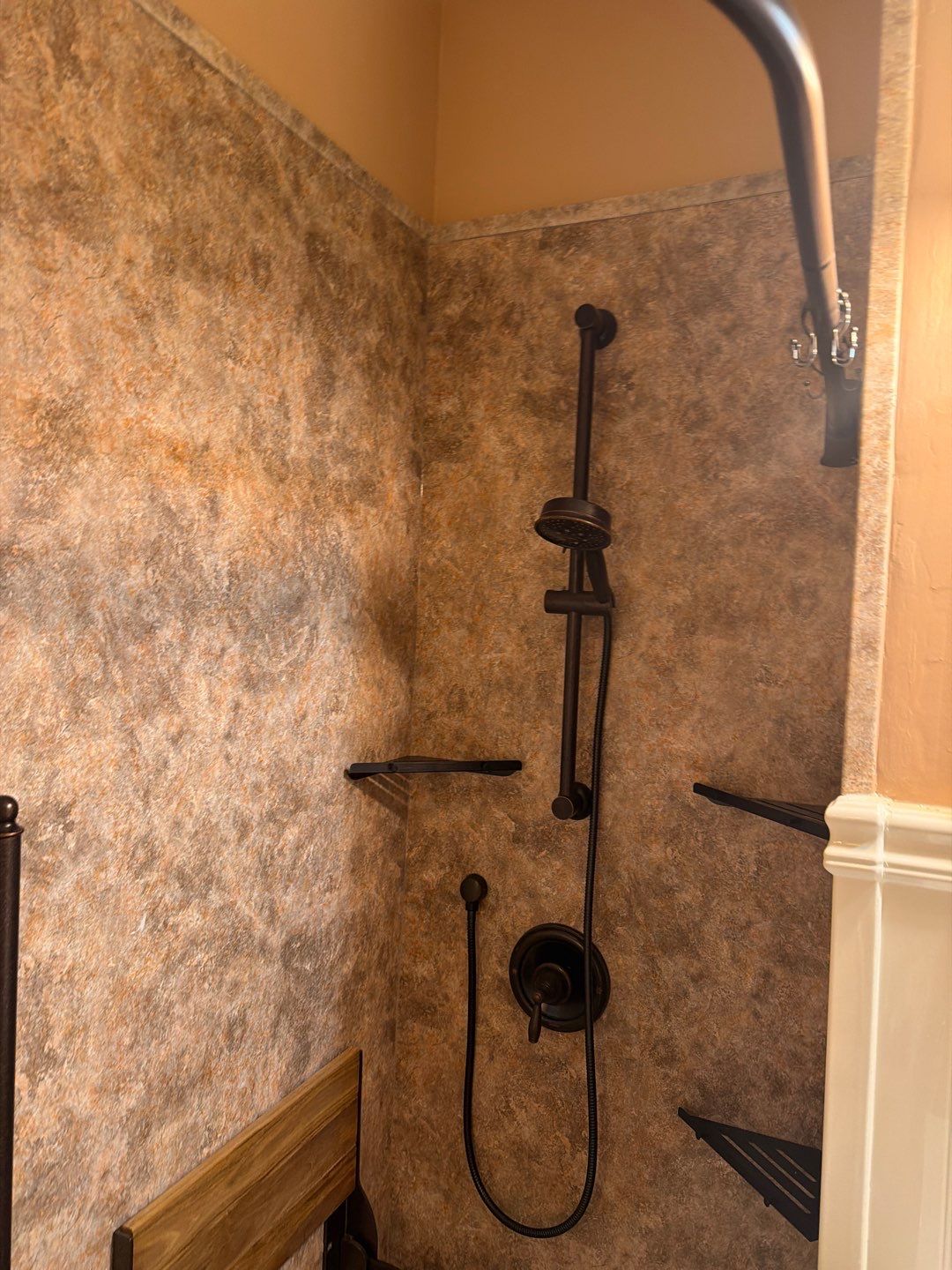
Those details matter because they turn the conversion into more than just a fixture swap. They help create a shower that feels easier to use, easier to live with, and more responsive to the homeowner's needs.
A conversion can also visually refresh the room. When the old tub is replaced with a cleaner, more purposeful shower layout, the bathroom often feels more intentional overall. That mix of better function and better flow is a big reason so many New Jersey homeowners consider this type of remodel.

For another example of practical shower design, explore our Made for Slow Mornings bathroom project.
A tub-to-shower conversion can be a great option if you want your bathroom to feel more accessible, more comfortable, and more practical for daily life. It often makes sense for homeowners who no longer use their bathtub and would get more value from a shower designed around convenience and ease of use.
The key is to think through the decision carefully. Consider whether the tub still serves an important role in your home, what features would make a new shower more useful, and how you want the bathroom to function long-term.
When we plan a bathroom remodel, we look at those everyday details closely. That helps us create spaces that not only look updated, but also make sense for the people using them.
Sometimes existing plumbing connections can be reused, but that depends on their condition and the requirements of the new shower. Drain placement, shower controls, and fixture compatibility all need consideration. We assess what can remain and what may need adjusting as part of planning the conversion.
Not necessarily. Removing a tub does not eliminate the need for careful preparation, appropriate waterproofing, plumbing work, and finishing. The actual schedule depends on existing conditions, material selections, and the installation requirements. A straightforward replacement and a more customized conversion may involve different amounts of work.
It is worth considering how your household uses the bathroom now and may use it in the future. A bathtub can be helpful for young children or anyone who prefers bathing. If you rarely use your tub, however, a shower may better suit your daily routine.
If you're thinking about replacing a bathtub with a shower in New Jersey, we'd be happy to help you explore the possibilities.
Our bathroom remodeling services bring design and construction together, helping you choose a layout and practical features that suit your home. Contact our team or call (908) 503-5363 to talk through your bathroom and the improvements you'd like to make.

